How Maria Raised the Bar for Every Creator You Follow
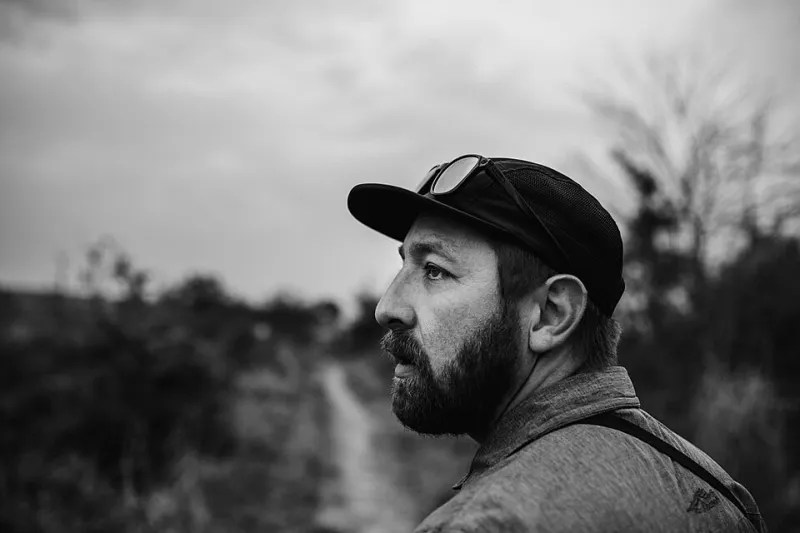
Photo: Llewellynlloyd25, CC BY-SA 4.0, via Wikimedia Commons
Something changed. You might not have noticed it happening in real time, but if you've spent any amount of time in online creator spaces over the past couple of years, you've probably felt it. Fans are pickier. Comments are sharper. The tolerance for performative content has dropped to somewhere around zero. And a lot of industry watchers are pointing to one name when they try to explain why.
Maria.
Not because she launched a campaign or wrote a manifesto. But because she made a series of choices — quiet, deliberate, sometimes baffling to outsiders — that collectively changed what audiences believe they deserve from the people they follow.
What Actually Shifted (And When)
It didn't happen overnight. The shift was gradual, almost invisible while it was unfolding. Maria's refusal to flood her feed, her habit of disappearing when she needed to, her very public unwillingness to take brand deals that felt off — none of these things made headlines on their own. But they stacked up.
Fans who followed Maria closely started developing a different kind of radar. They got better at spotting when something felt forced. They started asking questions in comment sections that would've seemed paranoid or demanding a few years ago. Things like: Is this actually her, or is this content? That distinction — between a person showing up and a creator performing showing up — became something audiences could articulate, because Maria had given them the vocabulary for it.
Industry observers noticed. "What Maria did was essentially model a different relationship between creator and audience," says one digital media consultant who works with mid-size creator brands. "And once fans experience that, it's really hard to go back."
The Spillover Effect on Other Creators
Here's where it gets interesting — and honestly, a little uncomfortable for a lot of people in the creator economy.
Creators who have nothing to do with Maria's niche are now being held to standards that her audience helped establish. It shows up in comment sections everywhere. Fans pushing back on over-produced content. Audiences calling out creators who seem to vanish between sponsored posts and then reappear only when there's something to sell. A general impatience with the kind of calculated "vulnerability" that used to pass as connection.
Some creators have adapted. Others are frustrated, feeling like the rules changed on them without warning. And in a way, they did.
A creator who runs a lifestyle channel in the Pacific Northwest put it bluntly in a podcast interview earlier this year: "My audience started expecting things from me that I wasn't prepared for. They wanted to know the real stuff. And I think a big part of that is just... the Maria effect. She normalized a level of honesty that now everyone is being measured against."
That phrase — the Maria effect — has been floating around creator circles for a while now. It's not always said with admiration. Sometimes it's said with a kind of exhausted resignation. But either way, people are saying it.
Is This a Real Shift or Just a Trend?
Fair question. Creator culture moves fast, and what feels like a sea change one year can look like a blip in retrospect. So is this actually a lasting shift in fan expectations, or is it a moment that'll fade once the next big thing comes along?
The honest answer is: probably both, depending on where you look.
The surface-level stuff — the aesthetic of rawness, the lo-fi video trend, the "no makeup" moment — those things will cycle in and out like everything else. But something underneath that feels more durable. The expectation of consistency between what a creator says and what they do — that's not going away. Audiences have been burned too many times by creators who performed authenticity while quietly doing the opposite behind the scenes. They've gotten smarter.
And Maria, whether she intended to or not, has been a kind of proof of concept. She demonstrated that you can build something real and sustainable without playing the usual games. That's not a trend. That's a template.
What Other Creators Are Actually Doing About It
Some are leaning in. There's a noticeable wave of creators who have started pulling back on posting frequency, being more selective about partnerships, and talking more openly about the parts of their work that aren't glamorous. Whether that's genuine evolution or strategic mimicry is something only time will sort out — but the direction is clear.
Others are doubling down on production value and polish, betting that there's still an audience for that. And they're probably right. Not everyone wants the same thing from every creator. The ecosystem is big enough for multiple approaches.
But the creators who seem most anxious right now are the ones stuck in the middle — the ones who built their following on a version of "realness" that now feels thin compared to what fans have come to expect. They're having to reckon with the fact that the bar moved.
Why Maria's Choices Hit Different
Part of what makes Maria's influence so sticky is that her decisions have never felt like strategy. That's the thing about her that fans respond to and that other creators struggle to replicate — you can't manufacture the absence of calculation. You either care more about the work and the connection than you care about the metrics, or you don't.
Maria's choices — the ones that looked risky or counterintuitive at the time — turned out to be the most legible proof of where her priorities actually were. Fans read that. And once they did, they started reading every other creator the same way.
That's the real legacy here. Not that everyone has to be Maria. But that Maria showed audiences it was possible, and now they can't unsee it.
The Bottom Line
The creator economy is in a weird, transitional place right now. The old formulas are losing their grip. Audiences are more sophisticated, more skeptical, and more willing to walk away from creators who feel like they're going through the motions. A lot of factors are driving that — platform changes, cultural fatigue, the general vibe of the moment.
But if you're trying to understand why fan expectations feel different than they did a few years ago, Maria is a pretty important part of that story. Not the whole story, but a real and significant chapter.
She didn't set out to change the industry. She just refused to compromise in ways that were visible and consistent enough that people noticed. And then they started expecting everyone else to do the same.
That's not a small thing.