No Filter, No Problem: How Maria Is Changing the Way We See Beauty Online
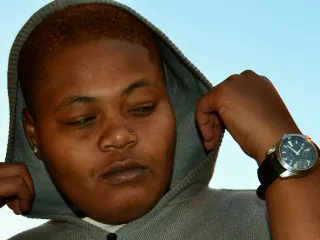
Photo: AzaniaAfrika, CC BY-SA 4.0, via Wikimedia Commons
Scroll through any major platform for about thirty seconds and you'll notice a pattern. The lighting is soft, the skin is flawless, the angles are deliberate. There's a kind of invisible dress code baked into the creator economy — an unspoken agreement that if you're going to show your face online, it better look a certain way. Maria never got that memo. Or maybe she got it, read it, and set it down.
What she's built instead is something a lot more interesting than a polished aesthetic. It's a presence. And the more she shows up as herself — dark circles, off days, and all — the louder the response from the people watching.
The Moment Things Shifted
There wasn't one single viral post that kicked this off. It was more of an accumulation. A series of moments where Maria made the choice that most creators quietly avoid: she didn't fix it. No smoothing filter over the under-eye shadows. No strategic crop to hide the bad skin day. No ring light dialed up to overexpose the things she didn't feel like explaining.
Her audience noticed immediately — not because it was shocking, but because it was rare. Comments started rolling in that weren't about how good she looked. They were about how real she felt. That distinction matters more than it might seem.
In the US creator space especially, there's been a long-running tension between the aspiration people come for and the authenticity they actually stay for. Maria found a way to collapse that gap. She stopped treating her appearance as a product to be optimized and started treating it as a simple fact of showing up.
What "Unfiltered" Actually Costs
Let's be honest about something: going unretouched isn't free. There's a real professional risk in stepping away from the beauty standards that brands, algorithms, and audiences have been trained to reward. Sponsorships have historically gone to creators who fit a narrow visual mold. Certain aesthetics trend better. The machine has preferences.
Maria made that trade anyway. And what's fascinating is that it didn't cost her the way conventional wisdom said it would. If anything, it widened her reach. Because when you strip away the performance of perfection, you make room for people who never saw themselves in the polished version — and that's a lot of people.
A significant portion of her fanbase has openly talked about how her approach changed what they expect from other creators they follow. They've become less patient with the heavily edited, filter-heavy content that used to feel normal. One creator's realness, it turns out, recalibrates the whole audience's baseline.
The Ripple Effect on Other Creators
This is where the Maria effect gets genuinely interesting. It's not just that her fans love her for it — it's that they're carrying those expectations into other corners of the internet. People who follow Maria have started calling out heavy retouching elsewhere. They're more likely to engage with creators who show imperfection and more likely to disengage when the polish feels too thick.
That kind of audience behavior shift is significant. Creators who follow audience trends — and most do — are paying attention. There's been a quiet but noticeable uptick in "no filter" content from accounts that previously leaned heavily on editing. Whether that's genuine or performative is a different conversation, but the direction of travel is clear.
Maria didn't set out to lead a movement. She just kept making the same choice over and over: to show up as herself. But in an environment where that choice is countercultural, repetition becomes influence.
Beyond Skin Deep
It would be easy to frame this purely as a beauty conversation, but it goes further than that. What Maria is really challenging is the perfectionism that runs through creator culture at every level — not just in how people look, but in how they present their work, their emotions, their lives. The filter is a metaphor as much as it is a literal tool.
When she talks about a project that didn't land the way she hoped, she doesn't spin it. When she's tired, she says so. When something about the industry bothers her, she finds a way to name it. The consistency between how she looks and how she speaks creates a kind of integrity that audiences can feel even if they can't always articulate it.
That's the real beauty standard she's setting — not one based on appearance at all, but on honesty. And honestly? It looks good on her.
What This Means Going Forward
The creator economy is still figuring out how to reward authenticity without commodifying it into another aesthetic trend. "Authentic content" is already becoming a genre with its own conventions and performance markers, which is its own kind of irony. The challenge for anyone following Maria's lead is to make sure the realness is actually real — not just a strategy that looks like realness.
For Maria, the fact that it started without a strategy is probably what makes it work. She wasn't A/B testing vulnerability. She was just being herself in public, consistently, over time. That's harder than it sounds and rarer than it should be.
In a world where filters are one tap away and the pressure to look a certain way is genuinely relentless, choosing not to is a quiet act of resistance. Maria's been making that choice long enough that it's become part of who she is — and part of what her corner of the internet stands for.
Your world, her universe — and in that universe, you get to look exactly like yourself.